The first time you hand a leather jacket or suede shoes to a cleaner in Monroe, the process can feel like a black box: the item leaves, it is gone longer than your shirts, and it comes back with a result that may include a slight color shift you were warned about. At Westside Cleaners & Alteration, leather and suede go through specialty care, often with a specialist cleaner, and the steps below explain why.
Leather and suede are not fabrics. They are skins, with natural variation, oils, and dyes that behave differently from woven cloth in every cleaning method.
Why these items go to specialists
Standard dry cleaning solvent strips the natural oils from leather, leaving it stiff, dry, and sometimes cracked, and it can pull dye unevenly from suede. Specialty leather cleaning uses detergents and processes formulated for skin, followed by re-oiling, called fatliquoring in the trade, to restore suppleness, and color touch-up where cleaning has lightened the finish. That extra work, plus shipping to a specialist in many cases, is why turnaround is measured in weeks rather than days, and why a cleaner will discuss expectations before accepting the piece.
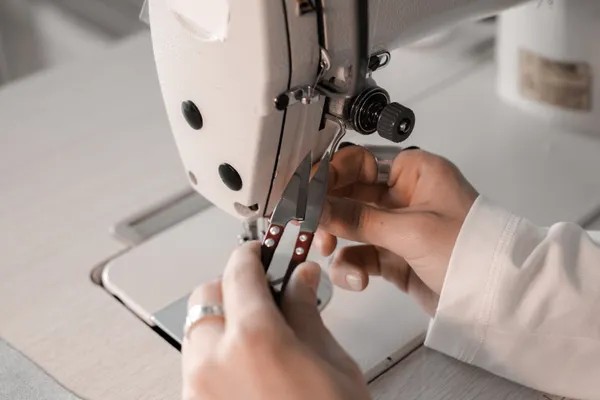
Your first leather cleaning, step by step
- Bring the item in and discuss it at the counter: age, stains, prior products used, and any areas of wear or fading you already see.
- The cleaner inspects seams, linings, buttons, and trim, because mixed materials on one garment can react differently to the same process.
- You hear the color and finish warning plainly: cleaning can lighten or even out color, and suede texture may change slightly. That consent conversation is standard, not a scare tactic.
- The item is cleaned with the specialty process, either in-house by a trained cleaner or sent to a leather specialist.
- Oils are replenished and color is touched up as agreed, then the item is conditioned and finished so it returns supple, not stiff.
- Inspect the item at pickup, in good light, and ask about home care products that suit its finish before you store it.
Color risk, explained honestly
Leather dyes, especially on suede and on fashion colors, are not always fully fast. Cleaning a multi-color jacket can lighten one panel more than another. A heavily stained area may come clean and come back slightly lighter than the surrounding skin, because removing the stain means removing a little of what sat in the surface. A specialist can re-dye or even out many pieces, but perfect restoration of a worn, stained, sun-faded garment is not a promise anyone should make. What you should expect is a clear preview: what will likely improve, what may change, and what probably will not come out.
Matching sets matter here. If a jacket and skirt, or a pair of gloves, must continue to match, clean them together, every time, so any shift happens evenly to both.
Care between professional cleanings
Most leather needs professional cleaning only when it is soiled, lined with odor, or losing its finish, not on a shirt schedule. Between cleanings, wipe smooth leather with a soft, slightly damp cloth, brush suede with a suede brush to lift dust and restore nap, and keep both away from direct heat and prolonged sun in a Monroe summer. Store leather hanging in a breathable cover, conditioned if it feels dry, and never sealed in plastic, which traps moisture and invites mildew.
Act fast on salt at the cuffs of a coat and on water spots. Blot, never rub, let the item dry naturally at room temperature, and bring salt and stain questions to the counter before trying a home leather product, because the wrong product on suede can darken it permanently.
Timing helps here too. Bring a coat in at the end of the season it was worn, not at the start of the next one. End-of-season cleaning removes a winter of salt, grit, and body oil before storage lets those soils work on the skin for six quiet months. It also puts the longer specialist turnaround in the months when you will not miss the coat, instead of the first cold week in Monroe when everyone else has the same idea at the same counter.
Common questions
Why does leather cleaning take weeks instead of days?
The process is specialized, often involves a leather specialist, and includes re-oiling and color work after cleaning. That sequence cannot be rushed the way routine garment cleaning can.
Will my suede look exactly the same after cleaning?
Not always exactly. Suede can shift slightly in color or texture during cleaning, which is why the cleaner discusses expectations first. Cleaning matched pieces together keeps any shift even.
How often should a leather jacket be professionally cleaned?
Only when it needs it: visible soiling, odor in the lining, or a dry, tired finish. Routine wipe-downs, brushing for suede, and breathable storage cover the time between cleanings.
Photos in this guide are representative stock images.
← All guides from Westside Cleaners & Alteration← Back to Westside Cleaners & Alteration